Case study

360° object-capture rig

A motorized turntable and camera-elevation rig I designed, built, wired, and programmed end to end: it photographs an object from every angle automatically, turning hours of manual dataset work into an unattended process.

Role
Concept, mechanical design, electronics, and control software
Context
Internship at Datagroup
Tools
Python / Raspberry Pi / Arduino / Motion control / Electronics / Blender / 3D printing (FDM)

The problem

Image-recognition models are only as good as their training data. For physical objects that means hundreds of photographs of the same object under controlled, repeatable angles and lighting. Shooting these by hand doesn’t scale: it takes hours per object, angles drift between shots, and the dataset ends up inconsistent in exactly the ways that hurt model quality.

The solution

A rig that turns dataset photography into an unattended process: the object sits on a motorized turntable while a camera steps through elevation positions on a lead-screw tower and tilts via a servo-driven pan module. Rotation, elevation and tilt together cover a full sphere of viewpoints, and every position is exactly reproducible. Press start, come back to a finished dataset. Mechanics, electronics, and control software are one integrated system that I designed and built myself.

What I did

  • Designed the complete mechanics in CAD and 3D-printed all structural parts (FDM); lead screws, shafts, and belts are off-the-shelf components.
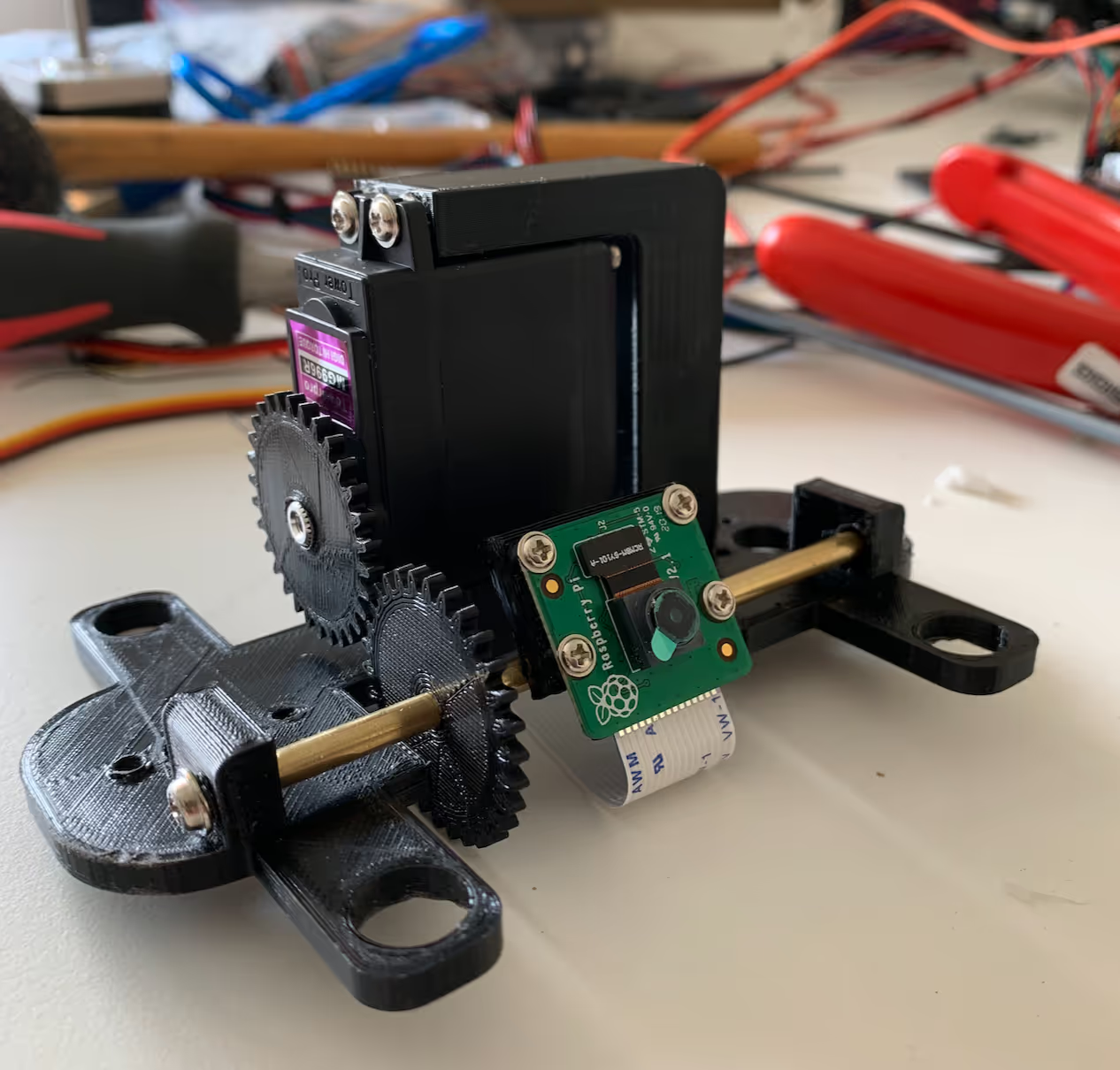
  • Built the drivetrain: stepper motors for the turntable platter and Z-axis, a high-torque servo with a printed gear stage for camera pitch.
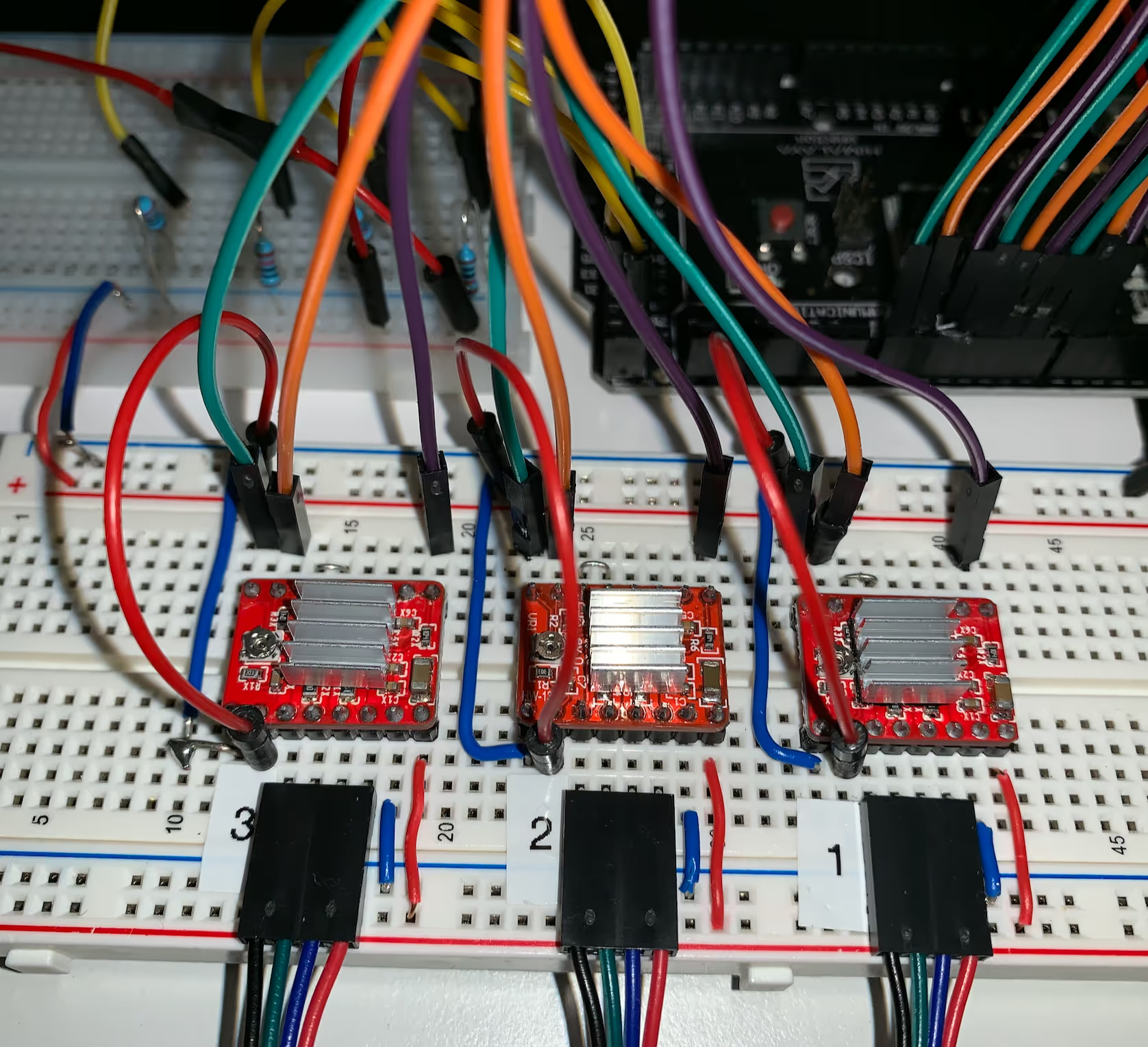
  • Wired and brought up the motion-control electronics (stepper drivers, limit switching, and power distribution) and integrated the drive electronics into the turntable base.
  • Wrote the Python control software on the Raspberry Pi, which drives the whole system (including the Arduino handling the steppers) and triggers the camera at each programmed position.
  • Modeled the full assembly and produced renders and the assembly animation in Blender.

Results

The rig captured objects from every angle without any manual intervention and produced a complete training dataset, combining the real photographs with additional views rendered in Blender. That dataset was then used to train a model for an image-recognition application.

Figures
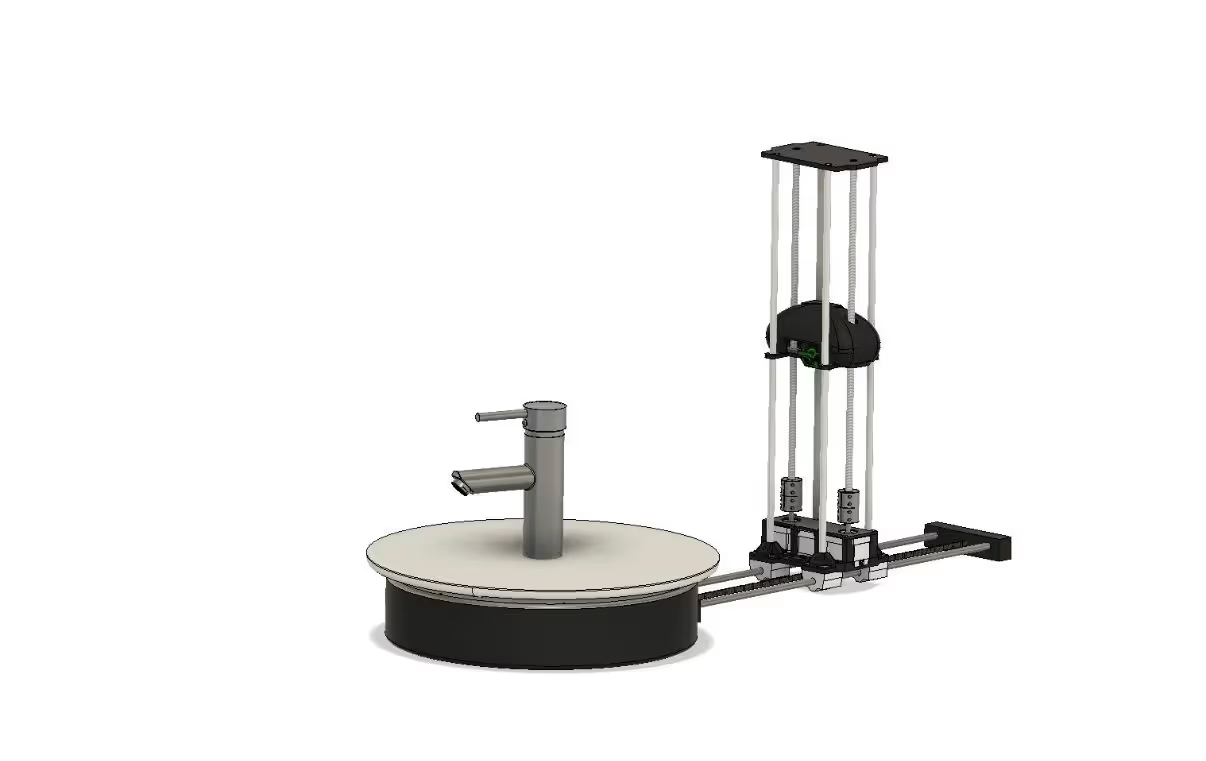
VID. 01 CAD animation of the full rig assembly.
CAD render of the complete capture rig: motorized turntable with a test object and the twin lead-screw camera tower
FIG. 01 The complete rig in CAD: motorized turntable with a test object and the twin lead-screw camera tower.
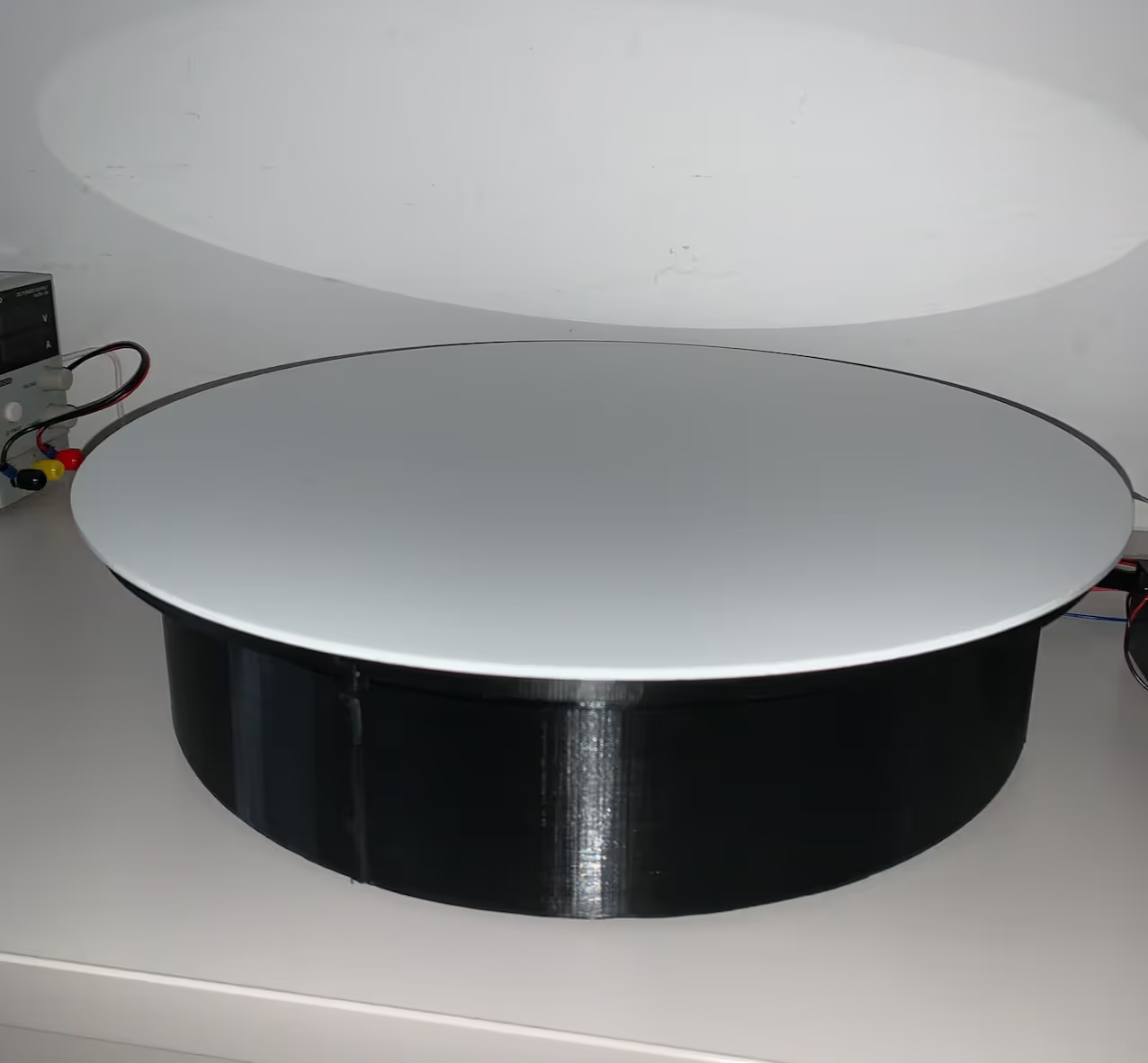
Finished motorized turntable with 3D-printed black housing and white rotating platter
FIG. 02 The finished turntable: 3D-printed housing, driven platter, electronics fully integrated in the base.
3D-printed camera pan module with printed gear pair, servo drive and Raspberry Pi camera board
FIG. 03 Camera pan module: a printed gear stage driven by a high-torque servo, carrying the Raspberry Pi camera.
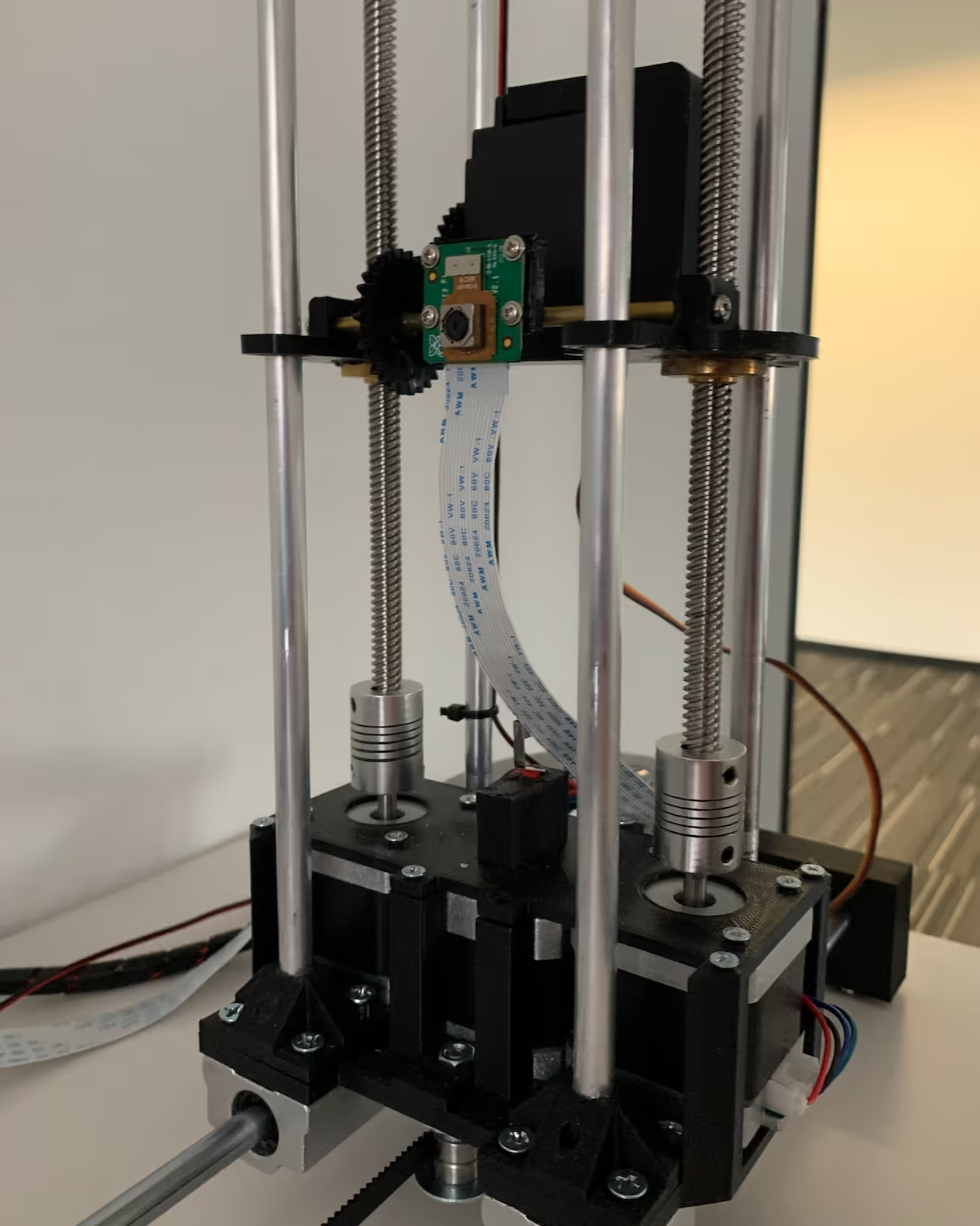
Vertical camera axis with two lead screws, flexible shaft couplings and NEMA stepper motors
FIG. 04 Z-axis: twin lead screws on stepper motors raise the camera between capture heights.
Breadboard with three stepper driver boards with heatsinks wired to an Arduino
FIG. 05 Motion control electronics: three stepper drivers during bring-up on the prototyping breadboard.
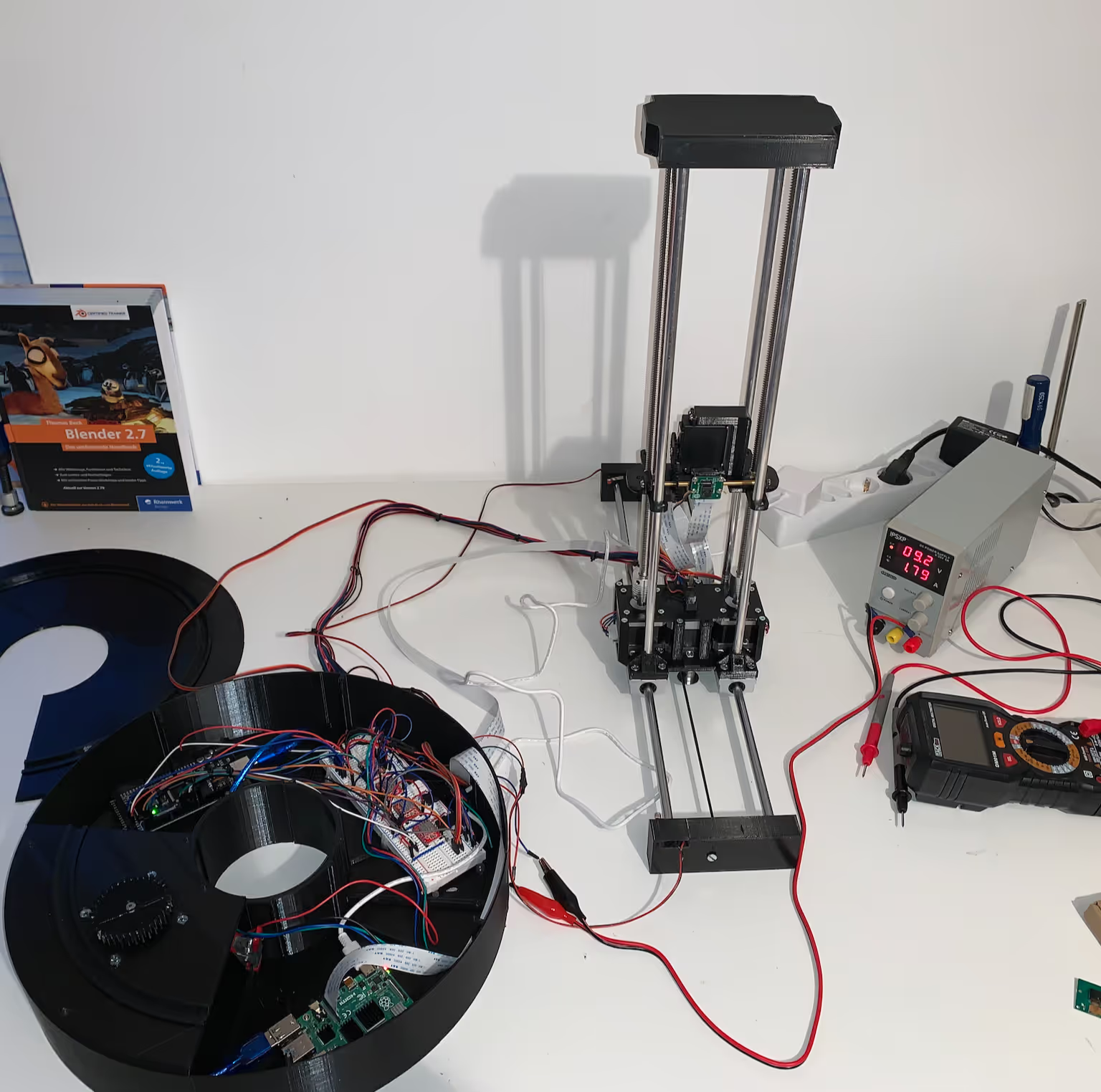
Complete test setup: turntable base with integrated Raspberry Pi and wiring, camera tower, lab power supply and multimeter
FIG. 06 System test with the turntable base, integrated Raspberry Pi, camera tower, bench supply and multimeter.